
What is infant regurgitation?
One of the most common reasons families visit a pediatric gastroenterology clinic, and one of the biggest concerns for new parents is infant spit-up. Approximately 50% of all babies between 2 and 10 months of age regurgitate or “spit up” at least twice a day, and many more often than that.
For parents, this can be extremely stressful. Fortunately, in most cases, infant spit up, or reflux, will resolve on its own, and only in very rare cases does it present a health risk. Even more exciting, there are evidence-based recommendations that can help your baby and your cleaning supply budget.
Most infant spit up is a normal part of development and will typically go away on its own as babies grow. Only in rare cases does it become a series health problem.
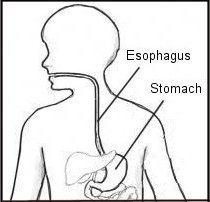
This condition is known as gastroesophageal reflux (GER). GER happens when stomach contents flow back into the esophagus (long tube that connects the mouth to the stomach). Always talk with a healthcare provider before making lifestyle changes, trying new treatments or making changes to feeding routines. Although reflux is usually harmless and temporary, some symptoms may be signs of a more serious problem and may require immediate medical attention.
Why do babies spit up?
It is extremely normal for infants to spit up. In all people, fluid is kept in the stomach by a ring of muscle called the “lower esophageal sphincter” which is at the bottom of the esophagus, or the tube that connects your mouth to your stomach. If the ring of muscle is open, and something increases pressure in the stomach (trying to poop, drinking a bottle, crying, pressure) it can push fluid up into the esophagus, and sometimes out the mouth or nose. This is not a fun feeling, and can result in fussiness, and always results in a bit of a mess. One thing to remember is this is typically not caused by acid in the stomach (which is a big difference from reflux in older children and adults). As babies drink milk so frequently, the pH of their stomach is usually relatively friendly, and studies have conclusively shown that acid suppressing medications like H2 inhibitors (famotidine) or proton pump inhibitors (lansoprazole, pantoprazole, omeprazole, esomeprazole) do not help infants with this issue, and don’t need to be used.
Significant reflux events usually start around 2 months of age, with the peak of this issue (which we call normal physiologic neonatal reflux) typically around 4 months of age. By 6 months of age, the issue can be notably better, although some infants may continue presenting with symptoms. By a year of age, this is typically not a major concern.
Evidence Based Recommendations
As long as your baby is growing, has a good amount of wet diapers every day and spit up is not green or red, there is no damage or concern if your baby spits up a lot.
Ways to reduce spit up include:
- Thickening Feedings – In some babies, thickening formula with infant cereal may reduce the amount of spit-up. However, this is not recommended for every baby. Talk with your baby’s healthcare provider before thickening feedings. They can tell you whether it is appropriate and how much cereal to use.
- Positioning Changes – Talk to your healthcare provider if positional changes are right for your child, sometimes babies will spit up regardless of their positioning after feeding.
- Taking it easy – Feeding in a quiet, relaxed environment may help some babies feed more comfortably. Burping your baby during and after feedings and avoiding active play immediately after meals may also help reduce spit-up.
Lifestyle changes should be tried for several weeks. If these changes are helping, they should continue for several months. For most babies, spitting up improves and typically resolves by 6 to 8 months of age.
Red Flags and Overlap Cases
A common cause of severe reflux in infants is a milk protein enterocolitis, a self-limiting (ie, goes away on its own) problem in which proteins in milk can cause inflammation in the gastrointestinal system, which makes kids spit up or vomit (and can also cause fussiness, discomfort, diarrhea, or blood in stool). If the usual steps to reduce reflux are not helping, your child’s healthcare provider may recommend removing cow’s milk protein from the baby’s diet or, for breastfed infants, from the breastfeeding parent’s diet
If reflux is so severe that it affects the baby’s growth; other treatments may be needed, such as feeding support, evaluations of the movement of the esophagus and stomach, or other potential inflammations. In very rare cases, babies can have actual gastrointestinal reflux disease (GERD). This is typically due to diseases they are born with or complications from other medical treatments. This can result in esophagitis, or inflammation of the esophagus.
When GERD or esophagitis is present, medications may be recommended. These may include:
- Proton pump inhibitors (PPIs), which reduce the amount of acid made by the stomach and help the esophagus heal.
- H2-receptor antagonists (H2 blockers), which also reduce stomach acid and can help relieve symptoms.
- Prokinetic (promotility) medications, which help the stomach or esophagus move food more effectively. These medicines are used less often because they can have side effects.
It’s important to discuss all treatment options with your child’s healthcare provider.
Surgery is a much less common option that is considered only in special or unusual circumstances. This is because most babies outgrow reflux as they get older, and surgery can have significant risks. If patients are not responding to treatments and other interventions, one surgical procedure, called a fundoplication, may only be considered after careful discussion with your child’s healthcare provider and a pediatric surgeon.
Summary
Gastroesophageal reflux almost always goes away on its own. Reflux usually resolves within 1 to 2 years after birth. Treatment depends on the severity of symptoms. Lifestyle changes and medical management control symptoms in a great majority of infants and children until the reflux is resolved spontaneously. Surgery is uncommon and considered only in special circumstances.
Adapted from IFFGD Publication: Spit Ups (813) by Thomas Wallach MD, Chief, Pediatric Gastroenterology, SUNY Downstate Health Sciences University Edited by Jose M Garza MD, Medical director, Neurogastroenterology and Motility, Children’s Healthcare of Atlanta. Partner at Gi Care for Kids, Atlanta, GA