
Food and nutrition can play an important role in the health of a child’s digestive system. Depending on a child’s symptoms and GI disorder, a health care provider may recommend changes to their diet.
There is no single diet that works for every child. Dietary recommendations should be based on the child’s age, symptoms, diagnosis, nutritional needs, and overall health.
Fiber
Eating a variety of fiber types is most beneficial to general health. Recommended dietary fiber intake for adults generally ranges between 20 to 35 grams per day.
Children benefit from a balance of fiber in their diet. They require less than adults. For children, ages 3 to 18, the American Dietetic Association (ADA) suggests that a child’s age plus five equals the grams of dietary fiber they should eat daily. Good sources of fiber include fruits, vegetables, and whole grains.
For infants and children under the age of 2 years no recommended daily dietary fiber intakes have been established. The ADA suggests introducing a variety of fruits, vegetables, and easily digested cereals, along with adequate fluid levels, as solid foods are introduced into the child’s diet.
Sometimes fiber can cause discomfort. Avoid adding too much too quickly. Add fiber gradually and slowly over time. It is important to drink extra liquids, such as water or milk, when increasing dietary fiber.
There are 2 kinds of fiber – soluble and insoluble…
- Insoluble fiber is mainly found in cereals or whole grains.
- Soluble fiber is mainly found in fruits and vegetables.
Soluble fiber dissolves in water and forms a gel when water is added to it. It can help soften stool. Insoluble fiber absorbs liquid and adds bulk to stool.
If you find that fiber is gas producing or seems to cause bloating or pain, it is usually insoluble fiber that is the problem. Soluble fiber is less likely to be a problem.
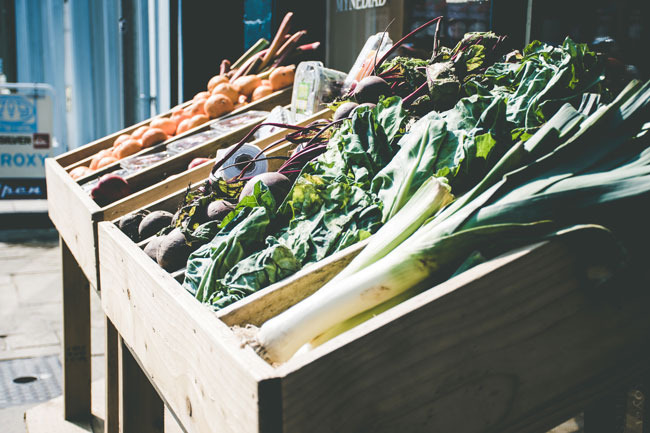
| Food | Serving Size | Grams of Fiber |
|---|---|---|
| Vegetables | ||
| Beans (navy), cooked | 1/2 cup | 9.5 |
| Beans (pinto, black), cooked | 1/2 cup | 7.7 |
| Chickpeas (garbanzo beans), cooked | 1/2 cup | 6.2 |
| Lentils, cooked | 1/2 cup | 7.8 |
| Potato (with skin), baked | 1 potato | 4.4 |
| Peas (frozen), cooked | 1/2 cup | 4.4 |
| Mixed Veggies (frozen), cooked | 1/2 cup | 4.0 |
| Soybeans, cooked | 1/2 cup | 3.8 |
| Broccoli, cooked | 1/2 cup | 2.5 |
| Carrots, cooked | 1/2 cup | 2.3 |
| Carrots, raw | 1 carrot | 2.0 |
| Green beans, cooked | 1/2 cup | 2.0 |
| Sweet corn (on the cob), cooked | 1 ear | 1.8 |
| Vegetable soup (Progresso™) | 1 cup | 1.4 |
| Lettuce (romaine), raw | 1 cup | 1.2 |
| Lettuce (green leaf), raw | 1 cup | 0.7 |
| Celery, raw | 1 stalk | 0.6 |
| Fruits | ||
| Raspberries (sweetened), frozen | 1/2 cup | 5.5 |
| Pears, raw | 1 pear | 5.1 |
| Raspberries, raw | 1/2 cup | 4.0 |
| Blackberries, raw | 1/2 cup | 3.8 |
| Apples (with skin), raw | 1 apple | 3.3 |
| Oranges, raw | 1 orange | 3.1 |
| Bananas, raw | 1 banana | 3.1 |
| Raisins (1 miniature box), seedless | 14 g | 0.6 |
| Pears, canned in syrup | 1/2 cup | 2.2 |
| Grapefruit (pink and red), raw | 1/2 grapefruit | 2.0 |
| Grapefruit (white), raw | 1/2 grapefruit | 1.3 |
| Orange juice (unsweetened), frozen concentrate | 6-fl-oz can | 1.7 |
| Applesauce (sweetened), canned | 1/2 cup | 1.5 |
| Grains | ||
| Barley (pearled), cooked | 1/2 cup | 3.0 |
| Oat bran, cooked | 1/2 cup | 2.8 |
| Rice (brown), cooked | 1/2 cup | 1.7 |
| Rice (white, long-grained), instant | 1/2 cup | 0.5 |
| Bagels | 4″ bagel | 2.0 |
| Bread, whole-wheat, rye | 1 slice | 1.9 |
| Spaghetti, cooked | 1/2 cup | 1.7 |
| Bread, raisin | 1 slice | 1.1 |
| Cereals (Includes brand names) | ||
| Kellogg’s All-Bran | 1/2 cup | 8.8 |
| Kellogg’s Raisin Bran | 1/2 cup | 3.6 |
| Wheatena, cooked with water | 1/2 cup | 3.3 |
| Shredded wheat, plain no sugar | 2 biscuits | 5.5 |
| Quaker Oats, honey and raisins | 1/2 cup | 4.2 |
| Quaker Low fat Natural Granola with Raisins | 1/2 cup | 2.8 |
| Quaker Instant Oatmeal, apples and cinnamon, with boiling water | 1 packet | 2.7 |
| Kellogg’s Frosted Mini-Wheats | 1/2 cup | 2.5 |
| General Mills Raisin Nut Bran, Total Raisin Bran | 1/2 cup | 2.5 |
| General Mills Cheerios | 1/2 cup | 1.8 |
| General Mills Wheaties | 1/2 cup | 1.5 |
| General Mills Lucky Charms | 1/2 cup | 0.7 |
| Kellogg’s Frosted Flakes | 1/2 cup | 0.7 |
| Kellogg’s Apple Jacks | 1/2 cup | 0.5 |
| General Mills Golden Grahams | 1/2 cup | 0.6 |
| General Mills Trix | 1/2 cup | 0.4 |
| Kellogg’s Fruit Loops, Cocoa Krispies | 1/2 cup | 0.4 |
| Kellogg’s Special K, Corn Flakes | 1/2 cup | 0.3 |
| Quaker Cap’n Crunch | 1/2 cup | 0.3 |
| General Mills Rice Chex | 1/2 cup | 0.1 |
| Other | ||
| Soup, bean with ham (canned) | 1 cup | 11.2 |
| Pasta with meatballs, tomato sauce, canned | 1 cup | 6.8 |
| Soup, Progresso Classic Lentil™, canned | 1 cup | 5.6 |
| Baked pork and beans (canned) | 1/2 cup | 5.0 |
| French fried potatoes, fast food | 1 medium | 4.7 |
| Mixed nuts, dry roasted with peanuts and salt | 1 oz | 2.6 |
| Peanuts, dry roated with salt | appx 28 (1 oz) | 2.3 |
| Chocolate Milk | 1 cup | 2.0 |
| Tortilla chip snacks | 1 oz | 1.8 |
| Cheese pizza, regular crust, frozen | 1 serving | 1.4 |
| Potato chip snacks, plain, salted | 1 oz | 1.3 |
| Macoroni and cheese, canned | 1/2 cup | 0.6 |
| Kellogg’s Nutri Grain™ Cereal Bar snack, fruit | 1 bar | 0.8 |
| Kellogg’s Pop Tarts™, frosted chocolate fudge | 1 pastry | 0.6 |
Adapted from USDA National Nutrient Database for StandardReference, Release 17
If your child has ongoing GI symptoms, difficulty gaining weight, food restrictions, or needs a specialized diet, a registered dietitian who specializes in pediatric GI conditions can help your family create a nutrition plan that supports both symptom management and healthy growth.
Fruit Juice and GI Health
The American Academy of Pediatrics (AAP) provides recommendations for how much fruit juice children should drink. While 100% fruit juice can be part of a healthy diet, drinking too much may cause gastrointestinal (GI) symptoms such as diarrhea, abdominal pain, bloating, and gas.
The AAP defines fruit juice as 100% fruit juice, including juice made from concentrate.
How Much Fruit Juice Should Children Have?
The AAP recommends limiting fruit juice to:
- Children ages 1–6: No more than 4–6 ounces per day
- Children ages 7–18: No more than 8–12 ounces per day
The AAP recommends that:
- Infants younger than 6 months should not be given fruit juice.
- Children should not have juice available throughout the day in bottles or cups that allow them to drink it easily over long periods.
- Infants and young children should not be given fruit juice at bedtime.
- Children should be encouraged to eat whole fruits instead of drinking fruit juice when possible.
Whole fruits provide fiber and other nutrients that are not found in the same amounts in fruit juice.
How Can Fruit Juice Affect the Digestive System?
Fruit juice contains large amount of carbohydrate. This can lead to diarrhea, abdominal pain, bloating, and flatulence if consumed in large quantities.
For some children, limiting the amount of fruit juice they drink may help reduce these symptoms.
Is Fruit Juice Healthy for Children?
In appropriate amounts, 100% fruit juice can be part of a healthy diet. However, the AAP notes that for children older than 6 months, fruit juice does not provide nutritional benefits that are greater than those provided by whole fruit.
Water and whole fruits are generally better choices for everyday hydration and nutrition.
Fruit juice should not be used to treat dehydration or diarrhea unless recommended by a healthcare provider.
Learn more about general treatments for children
References
1. American Academy of Pediatrics, Committee on Nutrition. The use and misuse of fruit juice in pediatrics. Pediatrics. Vol. 107 No. 5 May 1, 2001 pp. 1210-1213. (doi: 10.1542/peds.107.5.1210)
2. American Academy of Pediatrics. Where We Stand: Fruit Juice. http://www.healthychildren.org/English/healthy-living/nutrition/Pages/Where-We-Stand-Fruit-Juice.aspx, Updated 7/9/2014 (Accessed Dec 19, 2014)